In a nutshell
- The operator sets no minimum age, no maximum age, no weight limit and no list of conditions that would rule someone out.
- The real question is whether a fast open boat with a step aboard and a wet deck suits you, not whether a rule exists.
- A RIB carries few people, and reviewers repeatedly mention the size of the group as one of the better parts of the trip.
- An English-speaking guide is among the listed inclusions and handles the briefing and the commentary throughout.
Where the published rules stop
It is worth being explicit about this, because it is unusual. The operator sets no minimum age, no maximum age, no weight limit and no list of medical conditions that would rule somebody out. Where a rule has not been set, the honest answer is that there is no published rule, rather than a guess presented as guidance.
That does not mean the trip suits everybody, and it would be unhelpful to pretend otherwise. It means the judgement is yours to make, and the useful thing to describe is not a policy but the boat: what it physically asks of a person over three hours. Everything below is about that.
What the RIB actually asks of you
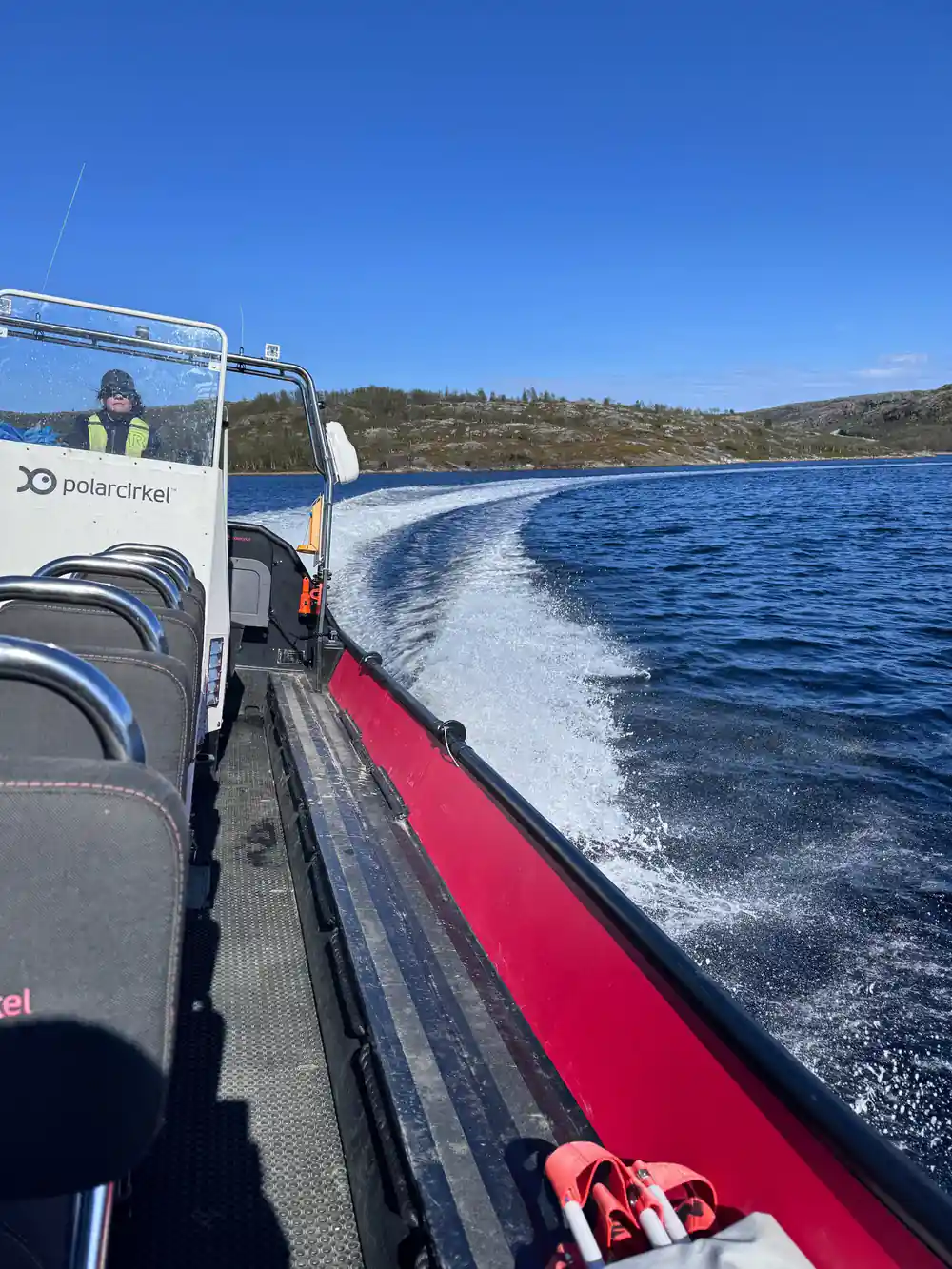
Three things, none of them strenuous. You need to get from a pier into a boat, which is a step down onto a surface that is moving slightly. You need to sit braced in an individual seat while the boat runs at speed, with a frame in front of you to hold. And you need to stand up on an open wet deck when the pots come aboard.
None of that requires fitness in any athletic sense. It requires ordinary steadiness. A person who is comfortable walking on a wet pavement, stepping down a kerb and standing on a bus will be entirely fine. A person who needs a rail and time on stairs will find the step aboard the hardest single moment of the day, and should say so at the pier where somebody can give them a hand.
Children
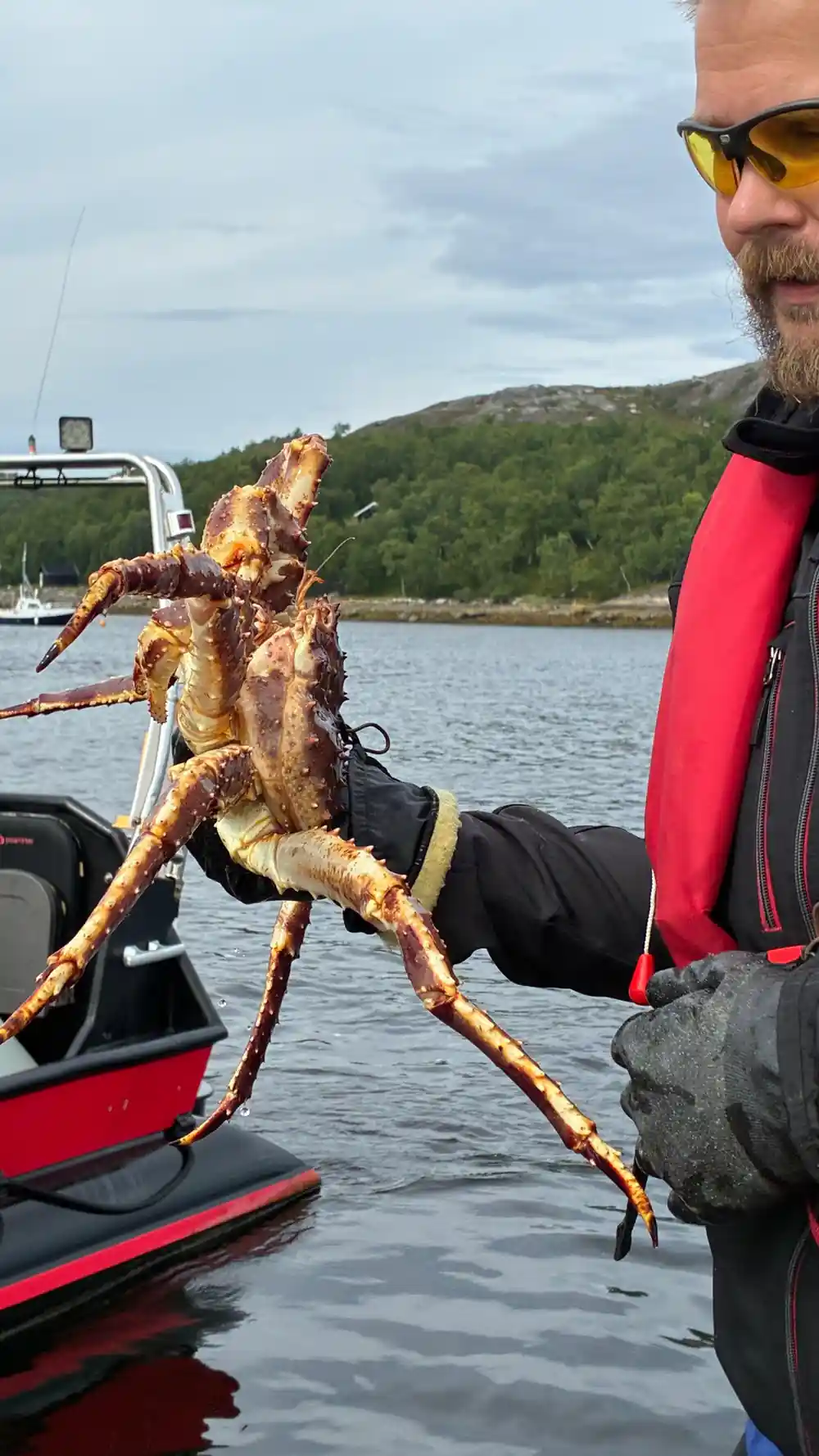
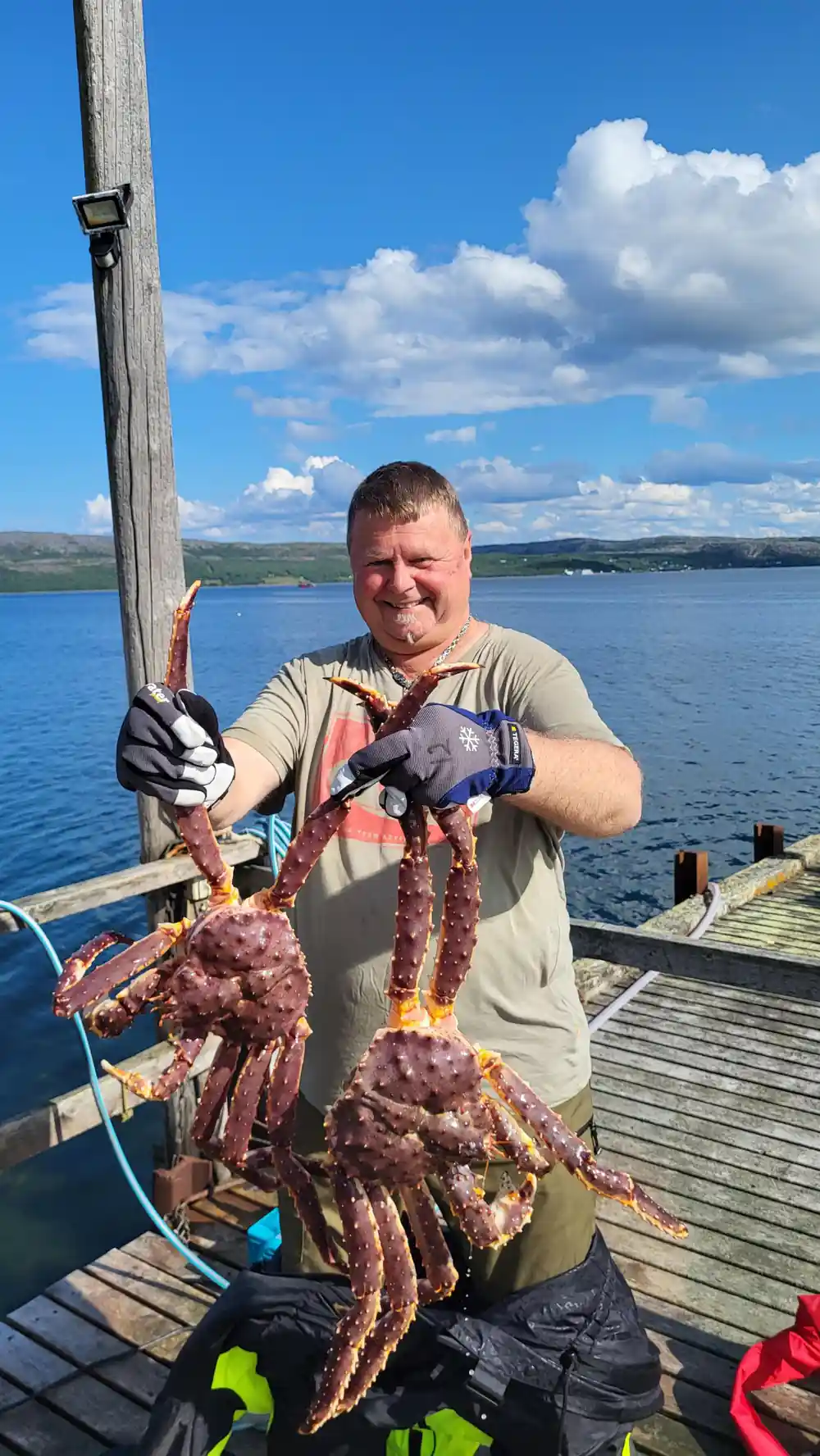
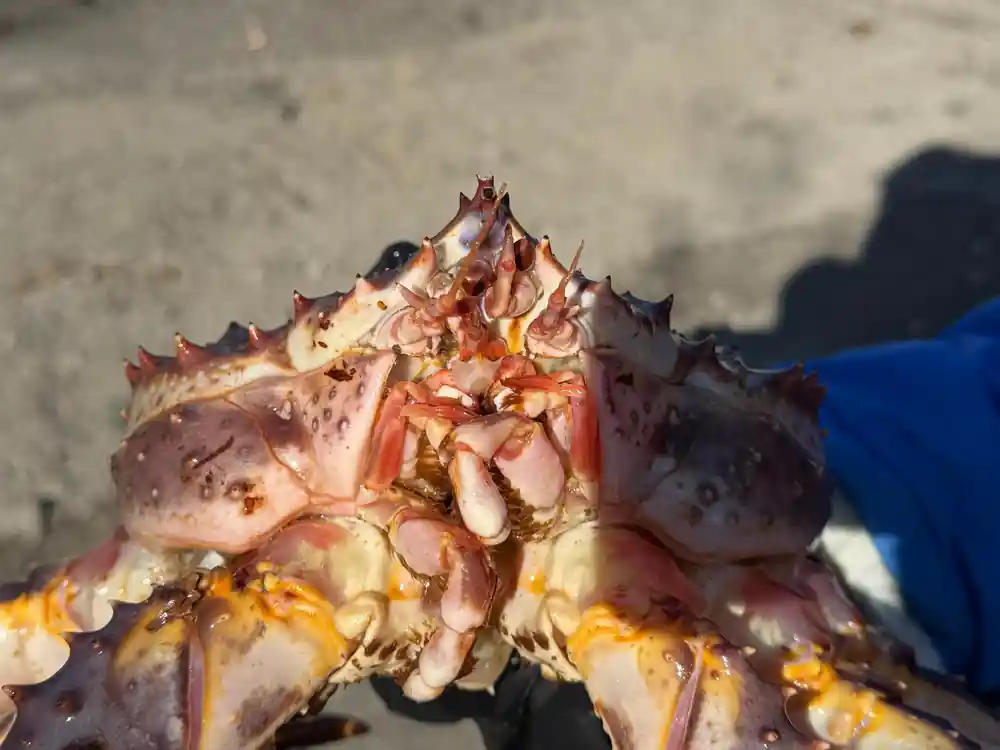
With no published minimum age, this comes down to the individual child. The parts that work well for children are obvious: a fast boat, a pot coming up, and a live king crab the size of a dinner table being held up in front of them. That is a genuinely good afternoon for a child old enough to enjoy it.
The parts to think about are the transit and the cold. A young child on a fast open boat for stretches of a three-hour trip needs to be old enough to stay seated and hold on when told, and to tolerate wind on their face without it becoming miserable. The suit is issued in adult proportions, so a very small child is a question worth asking the operator about before booking rather than at the pier.
Older travellers
There is no upper age limit and no reason there should be. Reviews for this trip include a guest describing coming with their father and both of them enjoying it thoroughly, which is a fair picture of how this works in practice.
The relevant question is the same as for anyone: the step aboard, and standing on a moving deck. Someone in their seventies who walks comfortably and gets in and out of a car without help will have no difficulty. Someone who uses a stick on uneven ground should think carefully about the pier, and should certainly mention it in advance so the crew can plan for it.
Backs, necks and joints
This is the one genuine caution and it is worth stating plainly. A fast boat on anything other than flat water produces repeated small impacts through the seat as the hull meets the surface. On a calm day in a sheltered fjord this is negligible. On a choppy afternoon it is noticeable, and it is exactly the motion that an unhappy lower back or neck objects to.
If you have a back condition that a bumpy car journey aggravates, a RIB is the same problem in a different vehicle, and there is no seated alternative on board. That is not a reason to avoid the trip so much as a reason to raise it when booking, because the crew can seat you where the ride is softest, which on any planing boat means further back rather than at the bow.
Mobility and access
Realistically, this is not an accessible trip in the formal sense. There is no lift, no ramp and no level boarding: getting aboard means a step down from a pier into a small boat, and there is no cabin or fixed accessible seating once you are on it.
That said, the operator publishes no exclusions, so somebody with limited mobility who can manage the step with assistance should ask rather than assume. A small operator running small groups has far more room to accommodate an individual than a large vessel does, but only if they know before the day.
Language, and the size of the group
An English-speaking guide is listed among the inclusions, and given how much of this trip is explanation, that matters. The fishery, the pots, the wartime positions and how to open a crab leg all arrive as commentary rather than signage, so understanding the guide is most of the value.
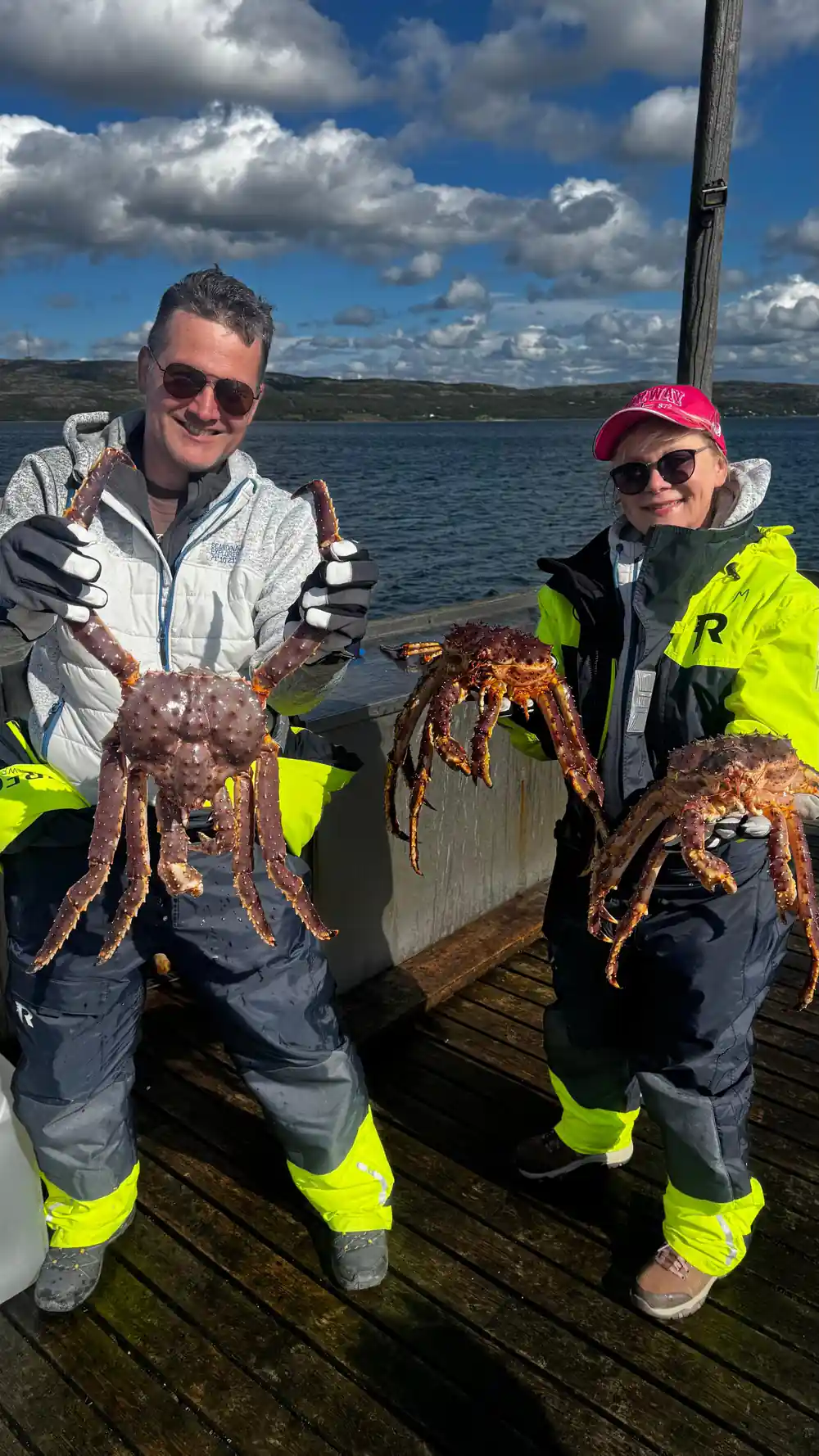
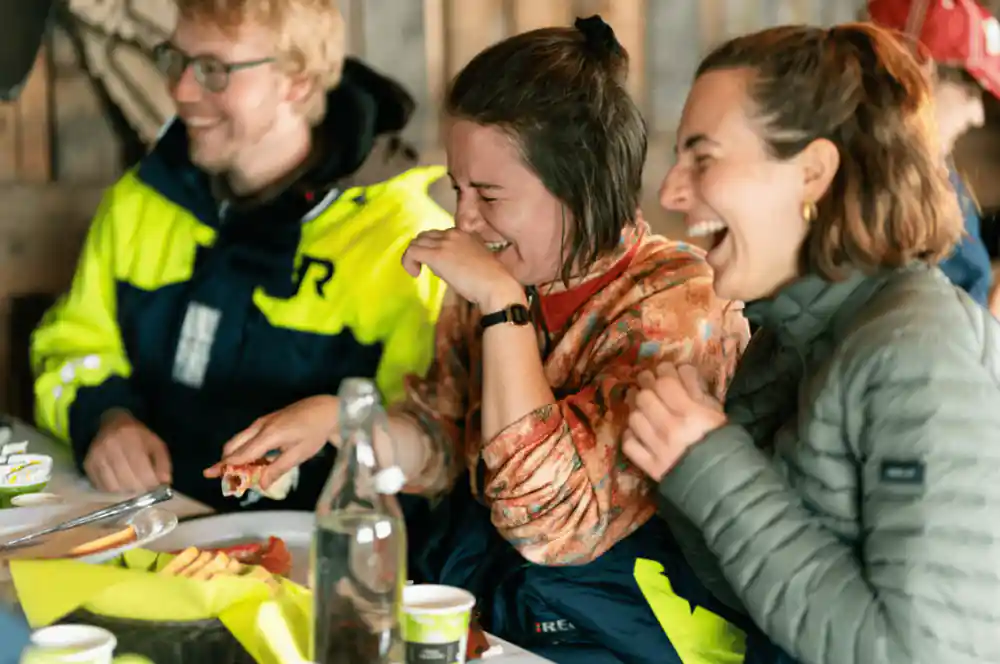
The group is small, because a RIB cannot be otherwise. Reviewers mention this repeatedly and always approvingly: a small group means everyone gets to the rail when a pot comes up, everyone can hear the guide, and the boathouse meal is a table of people rather than a canteen. If you have been on large-vessel excursions and found them impersonal, this is the opposite of that.
If the boat sounds fine, it will be fine
from US$278Reserve now & pay later
Good to know first
Is there a minimum age?
Is there an upper age limit?
I have a bad back. Should I book?
Is it wheelchair accessible?
What language is it run in?
How big is the group?
What the operator states
- No minimum or maximum age is published
- No weight limit and no list of excluding conditions
- English-speaking guide included
Essentials
- Duration3 hours
- BoatRIB, open deck
- ProvidedSuit, vest, mittens
- TransferHotel pickup included
| Comfortable | Worth thinking about | |
|---|---|---|
| Getting aboard | Step down from a pier unaided | Need a hand on uneven steps |
| The transit | Sit braced on a fast boat | Back or neck problems |
| On deck | Stand steady on a wet deck | Unsteady on your feet |
| Weather | Happy outdoors in wind | Need shelter or a seat inside |
| The meal | Eat shellfish | Shellfish allergy, ask first |